Astaxanthin is a natural xanthophylls carotenoid found in microalgae like Haematococcus pluvialis. Its unique chemical structure shields cell membranes by neutralizing reactive oxygen species, thanks to two oxygenated groups on each ring. This structure also enables esterification, higher antioxidant potency, and a more polar configuration compared to other carotenoids. Astaxanthin’s presence in marine life gives salmon and crustaceans their reddish color. It’s also found in yeast, fungi, plants, and bird feathers. In 1999 United States tood and Drug Administration has approved for use as a dietary supplement (nutraceutical). The microalgae Haematococcus pluvialis produces the astaxanthin isomer (35, 35), which is the same as the form found in wild salmon.
Haematococcus pluvialis is a freshwater microalgae belonging to the family Chlamydomonadaceae. Strains of the algae extend across habitats ranging from the African lakes to the Arctic snow fields. Astaxanthin acts like a field force that protects the nuclear DNA and cell content from oxidation and UV radiation.
In 2013 FSSAI has given product approval for Haematococcus pluvialis
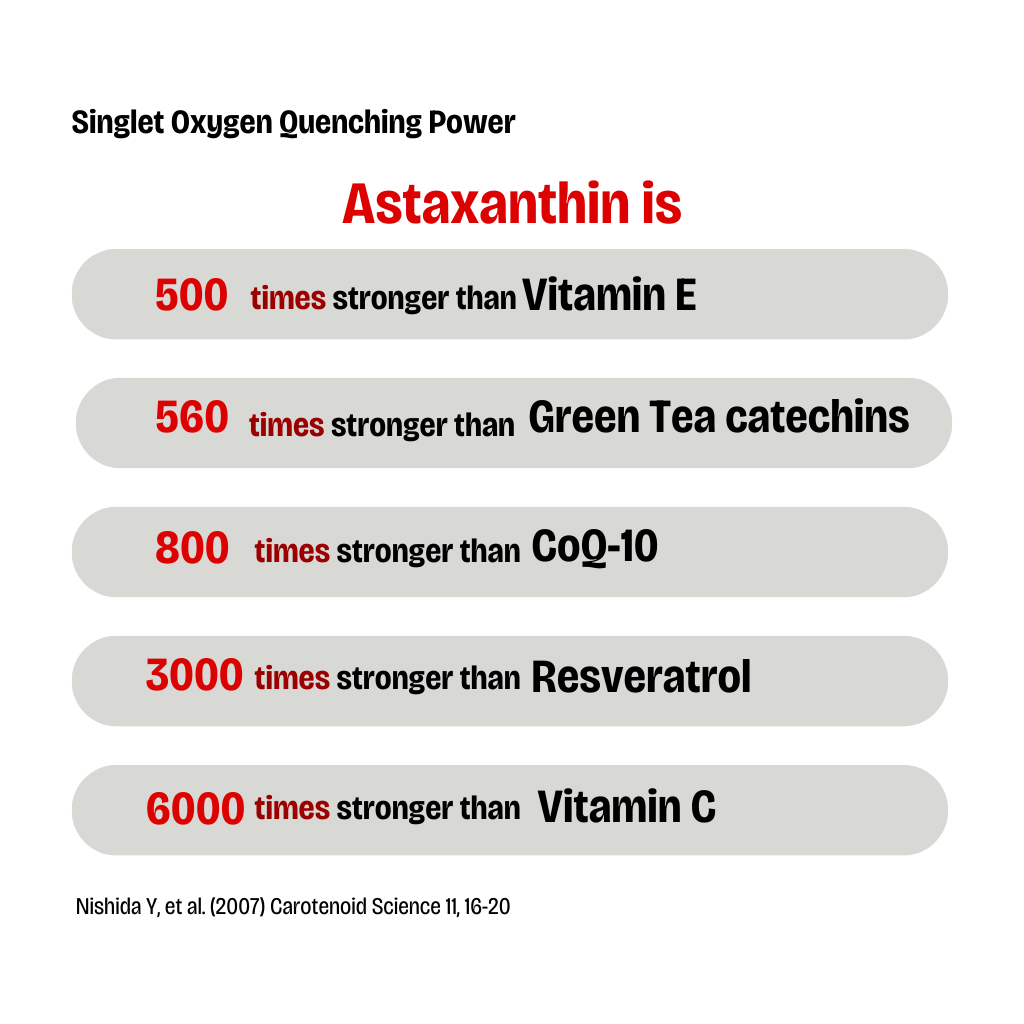
Research has demonstrated that the antioxidant activity of astaxanthin is approximately 10 times stronger than other carotenoids tested (e.g., zeaxanthin, lutein, tunaxanthir canthaxanthin, beta-carotene) and 100 times greater than those of vitamin E (alpha-tocopherol).
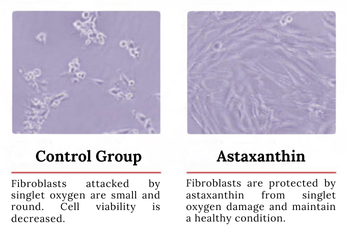
Protective Effect of Natural Antioxidants on Hume Fibroblasts
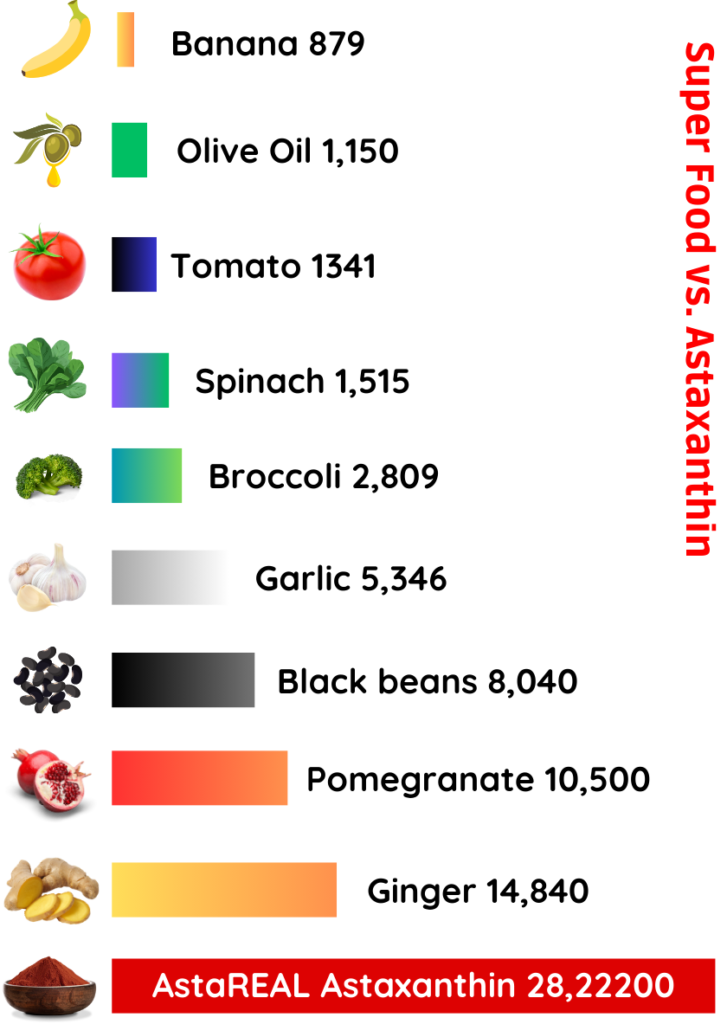
Natural astaxanthin vsother antioxidants
Human dermal fibroblasts were pre-incubated with antioxidants before exposure to singlet oxygen, and cell viability was measured to compare the protective efficacy.
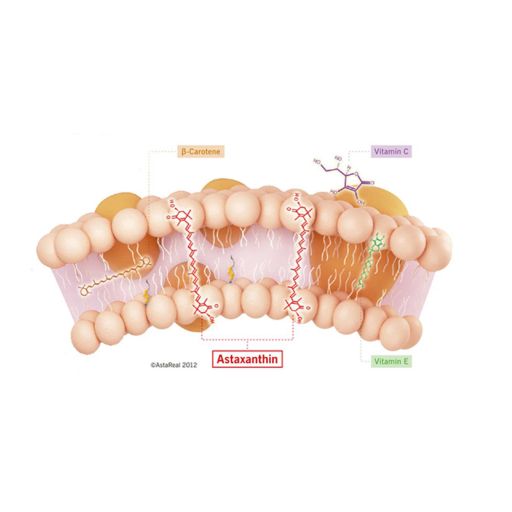
ASTAXANTHIN for a Unique Cell Membrane Protection
Free radicals are unstable and highly reactive molecules with unpaired electrons. They are naturally generated in our bodies through various metabolic processes, enzymatic reactions, and physical exercise. Typically, the production of these radicals is balanced by the body’s natural antioxidants.
Role of Astaxanthin as a unique cell
membrane antioxidant
Helps in bridging the cell membrane with potent protection against free radicals.
Helps to neutralize radical species of nitrogen, sulfur or carbon in addition to oxygen.
Helps to bind with radicals to form an unreactive adduct.
Helps to reduce per-oxidation by preserving the membrane structure.
Continuous exposure to environmental toxins such as pollution, smoking, alcohol, and UV radiation leads to a significant imbalance between the body’s natural antioxidant defenses and its ability to counteract free radicals. This imbalance results in a harmful condition known as “oxidative stress.”
Oxidative stress caused by free radicals is a primary contributor to human aging. These radicals have detrimental effects on lipids, proteins, and DNA, leading to damage within the body.
Antioxidants are molecules that counteract cellular oxidation. They are stable enough to donate electrons to free radicals, thereby neutralizing them and offering protection against their harmful effects.
A study by Nishida et al. (2007) identified astaxanthin as the most potent antioxidant currently known to science. Its effectiveness stems from its unique structure, allowing it to quench free radicals both inside and outside the cell membrane, unlike other antioxidants.
Astaxanthin is extensively researched in over 400 peer
reviewed clinical studies Effect of Astaxanthin on individual organs
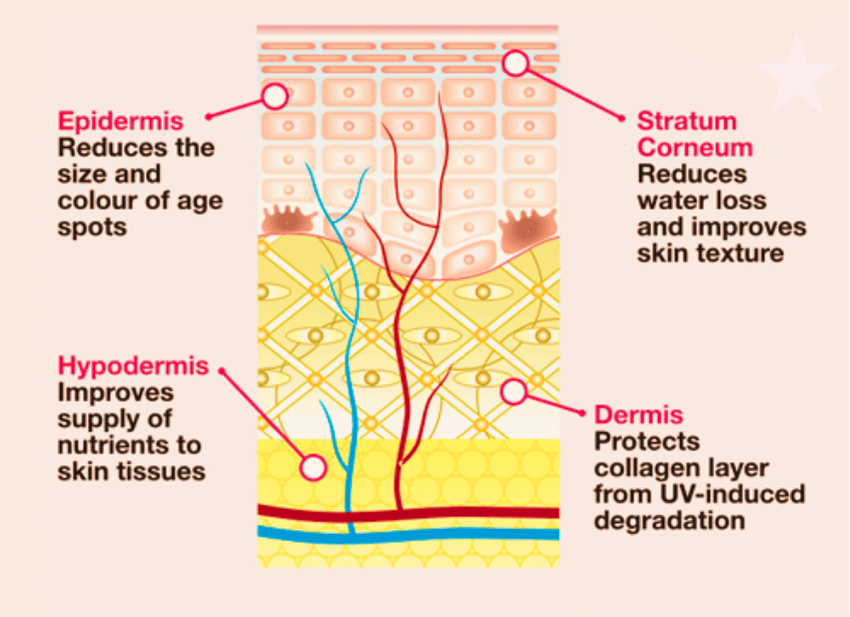
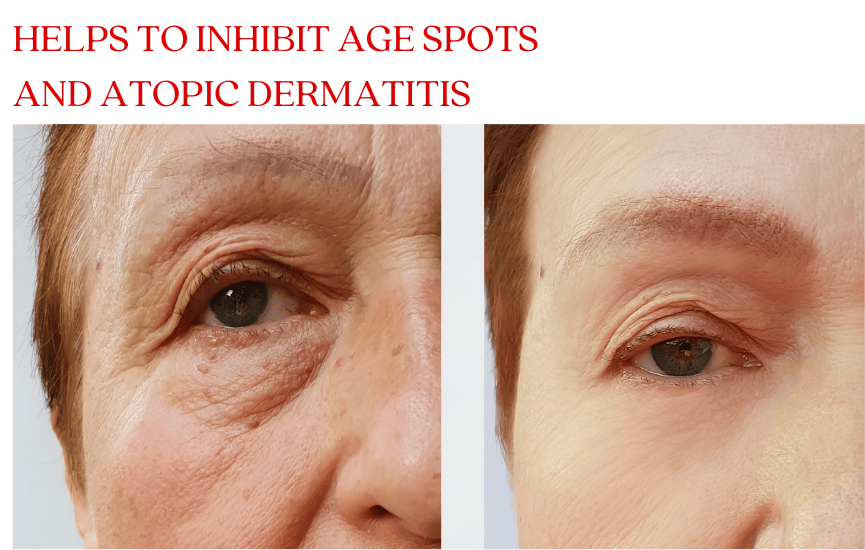
► Helps to revitalize photo aged skin by quenching oxidative stress and inflammation in all skin layers. ► Helps to reduce age spots
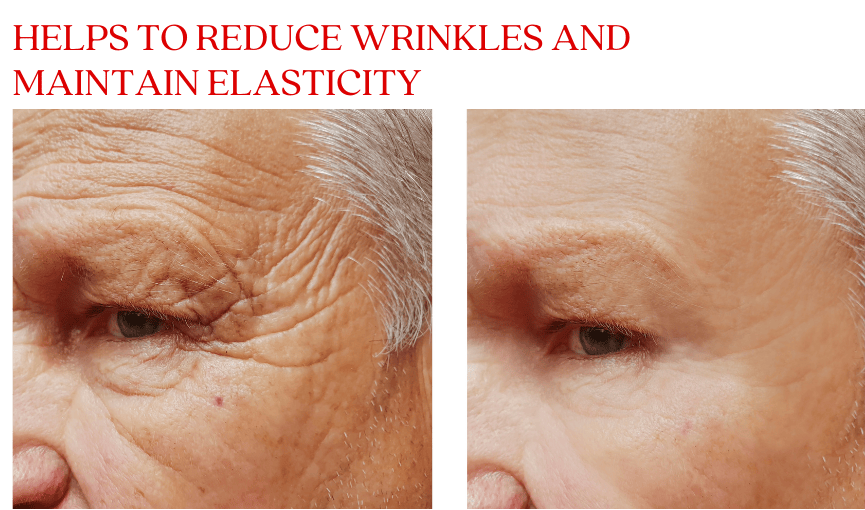
► Helps to reduce the size of wrinkles and improves skin microtexture. ► Helps to preserve elasticity and improves firmness.
Astaxanthin provides protection from aging in all skin layers
ASTAVIT- E KEEPS YOUR MIND IN TUNE
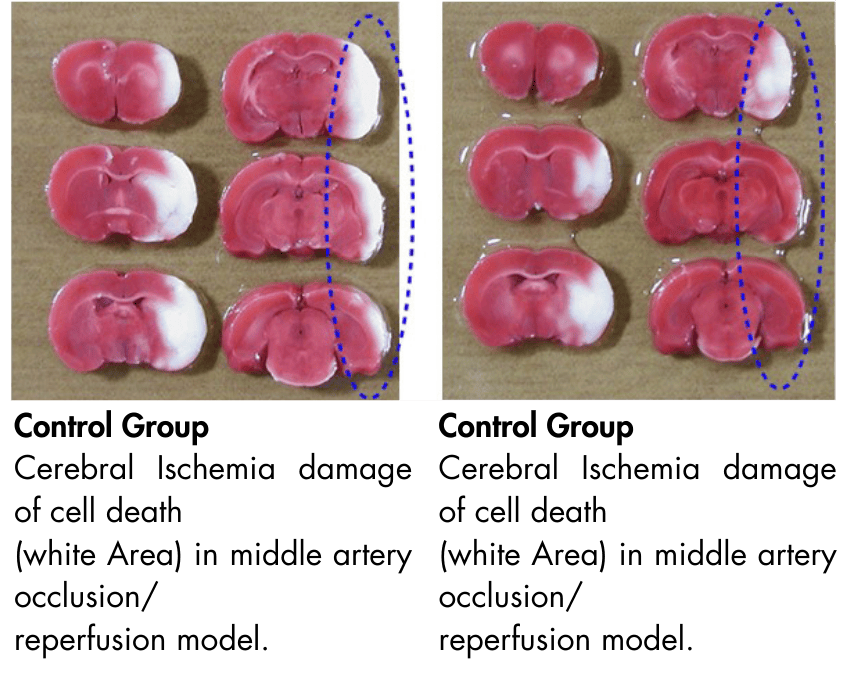
Astaxanthin helps to prevent cerebral ischemia, an occlusion of cerebral blood flow to core region of major brain artery resulting in cell death and infraction in the brain.
Clinical Benefits of Astaxanthin
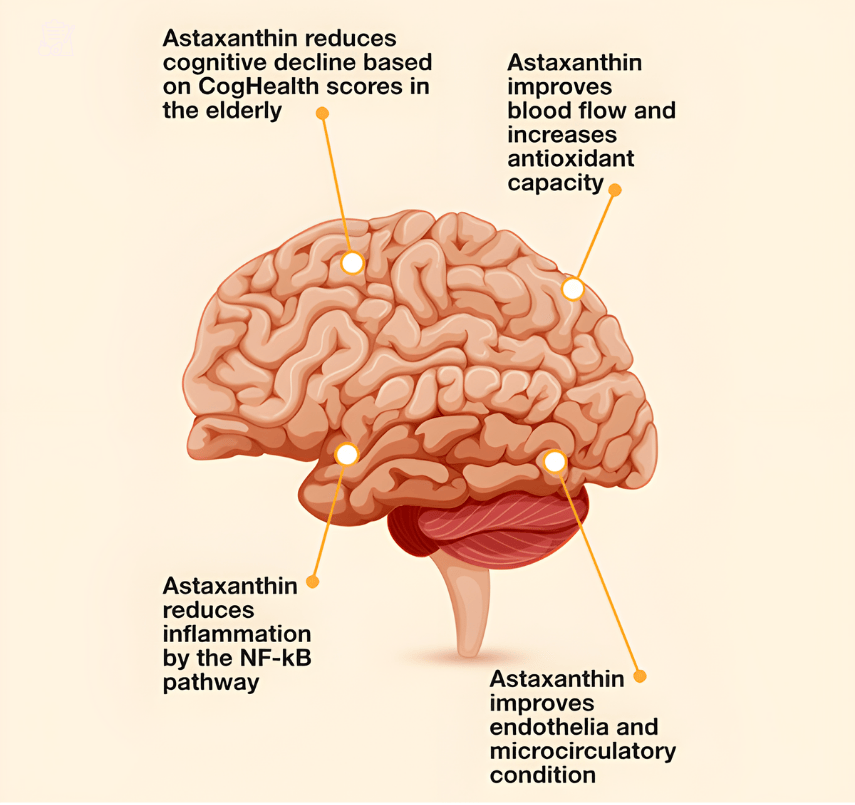
Helps to reduce age-related forgetfulness, multitasking, and alertness.
Helps to decrease the oxidation of red blood cells, which is linked to the prevention of dementia.
Helps to enhance capillary blood flow and blood antioxidant quality.
Helps to modulate blood pressure, lowers stroke risk and improves vascular endothelial health.
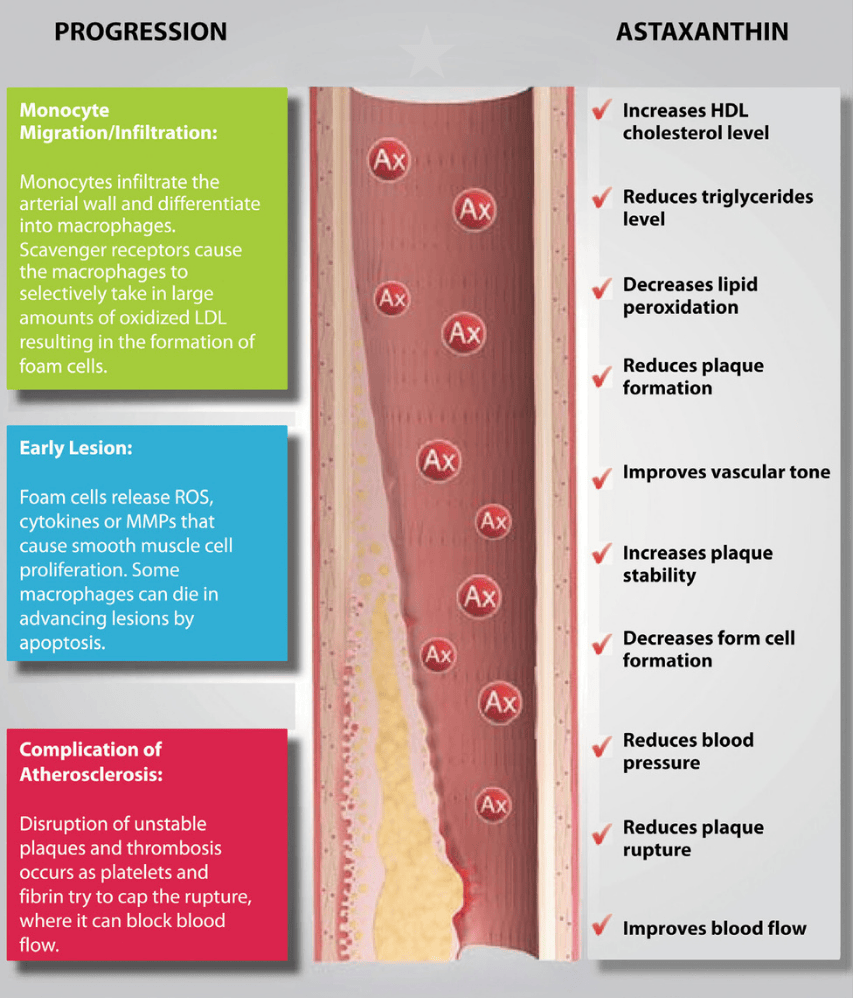
Potential benefits of Atherosclerosis
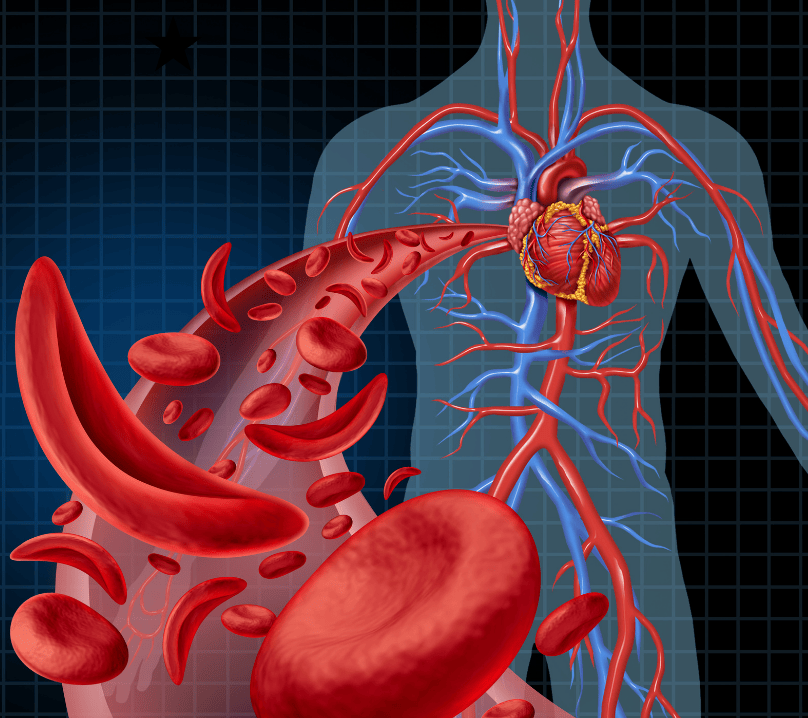
Clinical Benefits of Astaxanthin 1. Helps to Improve blood lipid profile. 2. Helps to reduce oxidative stress. 3. Helps to enhance capillary circulation. 4. Support Healthy Heart Muscles and Viability. 5. Helps to Stimulate energy Supply to Heart. 6. Helps to Regulate Heart arrhythimia